Left on the Table: Seven Tax Provisions Working Farmers Routinely Forget to Claim
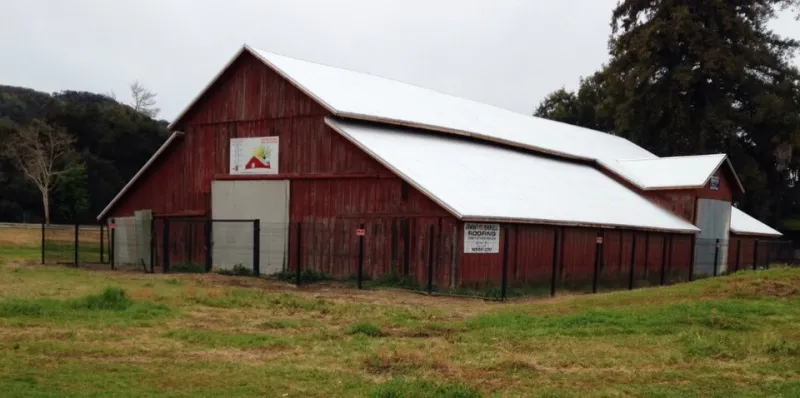
Photo: The Miller Red Barn, CC BY-SA 4.0, via Wikimedia Commons
Ask a rural tax preparer which deductions their farm clients miss most, and the answer is rarely exotic. The provisions below are established, legal, and frequently overlooked—often because the farmer didn't know to ask, or the accountant didn't know the operation well enough to connect the activity to the code. This is a starting point for a conversation with a qualified professional, not a substitute for one.
1. Section 179 Expensing on Equipment and Infrastructure
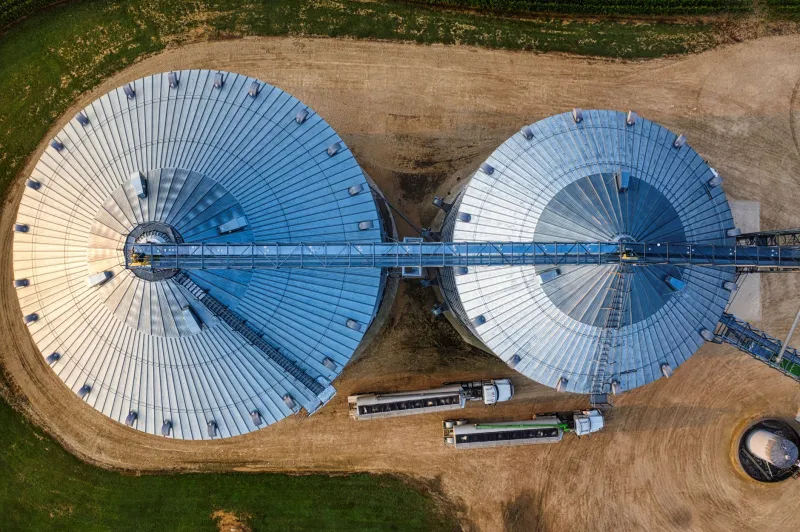
The basics: Qualifying equipment—tractors, tillage tools, grain bins, and certain single-purpose livestock structures—can be fully expensed in the year placed in service rather than depreciated over years. The 2025 deduction limit sits well above $1 million, phasing out at higher purchase levels.
A realistic example: A $180,000 combine trade-up expensed under Section 179 can shelter roughly $180,000 of income in a strong year—potentially saving $38,000 to $50,000 depending on bracket.
Documentation: Purchase agreements, placed-in-service dates, and financing terms. Keep the dealer invoice separate from repairs.
2. Conservation Easement Deductions
The basics: Donating a permanent easement to a qualified land trust can generate a charitable deduction based on the appraised drop in land value—up to 50 percent of adjusted gross income for farmers (100 percent for qualified ranchers), with a fifteen-year carryforward.
A realistic example: An easement reducing appraised value by $600,000 on a $2 million farm could produce deductions stretching across many tax years.
Documentation: A qualified appraisal, baseline documentation report, and the land trust's acceptance letter. Appraisal timing rules are strict—start early.
3. Agri-Tourism Expense Deductions
The basics: Costs tied directly to visitor activities—corn maze seed, hayride wagon maintenance, event insurance, pumpkin patch signage—are ordinary farm business expenses, yet many operators file them under personal hobby spending or forget them entirely.
A realistic example: A farm spending $22,000 annually on agritourism infrastructure and events reduces taxable farm income by that full amount, worth roughly $4,600 to $6,600 in federal tax.
Documentation: Separate bookkeeping ledgers for agritourism activities, receipts, and insurance certificates.
4. Heritage and Historic Property Credits
The basics: Structures used in the farm business that are listed on or eligible for the National Register of Historic Places may qualify for a federal rehabilitation credit of up to 20 percent of qualified renovation costs, with many states adding their own credits.
A realistic example: A $150,000 certified rehabilitation of a 1910 dairy barn could yield a $30,000 federal credit, plus state credits where available.
Documentation: Historic certification from the State Historic Preservation Office and a completed Part 1 and Part 2 approval before work begins.
5. Cost-Sharing Payments Exclusion
The basics: Government cost-share payments—EQIP, certain conservation programs—can often be excluded from income entirely, provided the payment would have been deductible as a farm expense anyway.
A realistic example: A $40,000 EQIP cost-share for a rotational grazing system excluded from income saves both the tax on the payment and preserves the improvement's depreciable basis strategy.
Documentation: The cost-share agreement and a calculation showing the exclusion test is met.
6. Fuel and Road Use Tax Refunds
The basics: Federal excise taxes paid on off-highway business fuel—dyed diesel exceptions aside, many producers overpay on gasoline used in farm trucks and equipment—can be recovered via Form 4136 or quarterly refunds.
A realistic example: A diversified operation burning 8,000 gallons of taxable fuel off-road annually can recover roughly $2,400 per year.
Documentation: Fuel purchase logs and delivery tickets. States often have separate refund forms with their own deadlines.
7. Deferred Payment and Disaster Election Strategies
The basics: Farmers enjoy unique cash-basis flexibility—deferring crop income to the following year under the two-year sale rule, and electing out of income deferral for disaster-related livestock sales under IRC Section 451.
A realistic example: A drought-forced herd reduction selling $120,000 of breeding livestock can elect to defer that income, avoiding a bracket spike in an already difficult year.
Documentation: Livestock sale records, weather-related loss documentation, and the election statement filed with the return.
The Common Thread
Nearly every provision above rewards two things: records kept during the year and a tax professional who understands production agriculture. Neither can be reconstructed in April. Schedule the conversation in the off-season, bring the ledgers, and treat this list as the agenda.