Winning the Contract That Nearly Won: The Hidden Ledger Behind Regional Grocery Deals

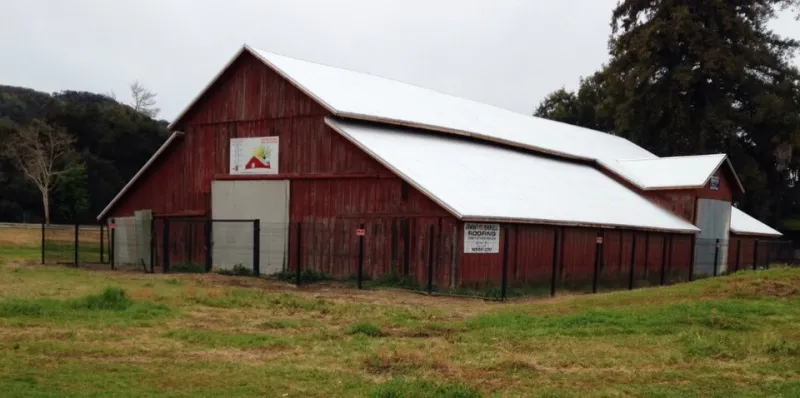
Photo: Eric Jones, CC BY-SA 2.0, via Wikimedia Commons
Every mid-sized farm with a direct-market arm has imagined the phone call. A regional grocery chain—forty stores, strong local branding, a buyer who gushes about your story—wants your product on shelves across three states. It feels like arrival. For a troubling number of producers, it is instead the beginning of the hardest eighteen months the operation has ever endured.
This is not an argument against grocery contracts. It is an argument against signing one without understanding the ledger behind the letterhead.
The Cash-Flow Mirage
Here is the sequence that catches farms off guard. The contract is signed in March. Production must scale by June. But the chain's standard payment terms run net 45, net 60, sometimes net 75—and those clocks start at delivery, not at order. In practice, the farm finances four to six months of expanded production—feed, seed, labor, packaging, fuel, cold storage—before the first meaningful remittance arrives.
A diversified vegetable operation in the Upper Midwest learned this the hard way after winning a sixty-store account. The farm tripled planted acreage on the strength of the deal, then spent the summer borrowing against its operating line at rates it had never budgeted for. The account was profitable on paper by year's end. The farm nearly was not.
The lesson: a grocery contract is not revenue. It is a receivable, and receivables must be financed. Producers who succeed typically negotiate deposits, milestone payments, or a factor arrangement before the first pallet ships.
Read the Clause, Not the Compliment
Grocery supply agreements are drafted by the buyer's counsel, and several provisions deserve particular scrutiny:
- Volume commitments that bind the seller but not the buyer. Many contracts let the chain reduce orders with minimal notice while the farm has already incurred the cost of production. Push for take-or-pay floors or rolling forecasts with teeth.
- Unilateral markdown and shrink deductions. Chains routinely deduct for cosmetic losses, slow movement, or "quality complaints" with limited documentation rights. Insist on inspection protocols and dispute windows.
- Slotting, promotion, and logistics fees. That generous per-unit price can erode by 15 to 25 percent once chargebacks, delivery requirements, and promotional contributions are tallied. Model the net, not the gross.
- Evergreen renewal terms. Automatic renewals with steep volume minimums can lock a farm into unprofitable years. Negotiate sunset clauses.
- IP and story rights. Some agreements claim broad rights to the farm's brand imagery and narrative. For a direct-market operation, the brand may be the most valuable asset on the place.
The Tipping Point Problem
Even with fair terms, the operational strain is real. Serving a regional chain demands food safety certifications, standardized packaging, traceability systems, and delivery schedules that small infrastructure was never built for. Farms frequently describe the same arc: a surge of hiring, a scramble for cold chain capacity, a quality slip during a peak week, a deduction notice, and a founder spending more time in compliance spreadsheets than in the field.
The operations that navigate this successfully tend to share three traits. They secured working capital before scaling rather than after. They negotiated the contract as a partnership—asking for forecasts, sharing production realities, and walking away from buyers who refused. And they capped the grocery channel at a defined share of revenue, protecting the direct-market customers who had built the farm in the first place.
The Verdict
A regional grocery contract can transform a farm's trajectory. It can also transform a healthy business into a leveraged, exhausted one serving a single customer with all the power. The difference is rarely luck. It is whether the producer treated the deal not as a victory, but as a negotiation that only begins with the signature.