Beyond the Hive: How Habitat Banking Is Turning Pollinator Conservation Into a Profit Center for American Farmers
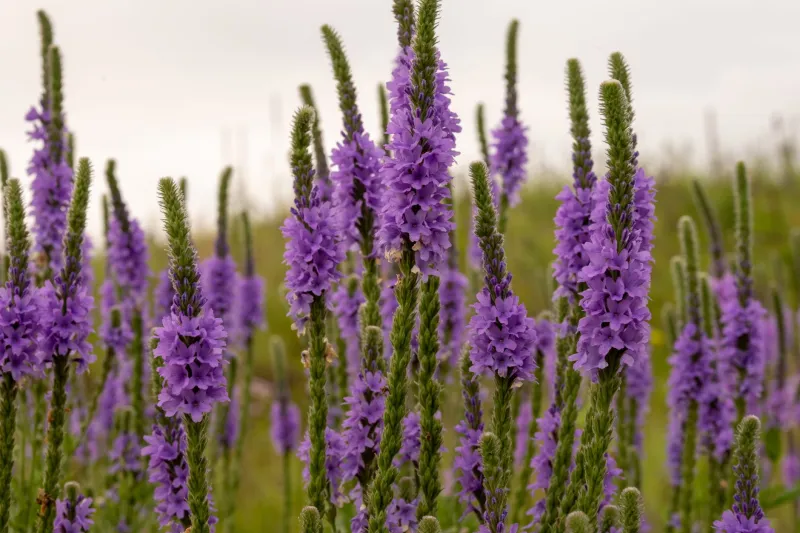
For most of American agricultural history, land not actively producing a crop was considered idle — a liability rather than an asset. Fencerows, buffer strips, and untilled margins were tolerated at best, cleared at worst. That calculus is beginning to change in measurable, financially meaningful ways. Across the Midwest and Great Plains, a growing number of farmers are discovering that the edges of their operations — the patches of native wildflowers, the unmowed hedgerows, the restored prairie strips — can generate income through an emerging instrument known as biodiversity or habitat credits.
The mechanism is straightforward in concept, if still maturing in practice. Farmers create, restore, or maintain pollinator-supportive habitat on portions of their land. That ecological work is verified by third-party assessors, quantified using standardized metrics, and then packaged into credits that corporations, municipalities, and conservation organizations can purchase to meet environmental commitments or voluntary sustainability targets. The farmer receives payment. The buyer receives a verified claim of ecological benefit. And the land — along with the bees, butterflies, and beneficial insects that depend on it — gets a fighting chance.
A Market Finding Its Footing
Habitat banking for pollinators is not yet the mature, liquid market that carbon credits have become, but it is advancing with notable speed. Several intermediary platforms have emerged in recent years specifically to connect landowners with buyers of biodiversity outcomes. Companies such as Verifly, Terrasos, and a handful of regional conservation finance organizations have begun standardizing how pollinator habitat value is measured and traded.
On the demand side, corporate sustainability commitments are a primary driver. Major food and beverage companies, agricultural input manufacturers, and consumer packaged goods brands have made public pledges around biodiversity and supply chain ecological health. Many of these organizations lack the direct land access to fulfill those commitments internally and are actively seeking verified offsets and co-investment opportunities. Pollinator habitat credits offer a credible, science-backed instrument to fill that gap.
The USDA's Conservation Reserve Program and the more targeted Pollinator Habitat Initiative have long paid farmers to take sensitive land out of production, but these government programs operate within fixed enrollment windows and budget constraints. The private biodiversity credit market is positioning itself as a complementary — and potentially more flexible — alternative.
Case Studies From the Field
In central Illinois, a fifth-generation corn and soybean producer enrolled approximately 40 acres of low-productivity ground along a creek corridor into a habitat banking arrangement brokered through a regional land trust. The land was seeded with a certified native wildflower and grass mix designed to support monarch butterflies and native bee populations. Annual habitat assessments, conducted by a contracted ecologist, documented species diversity and vegetative coverage. Over the first three years of the program, the farmer received payments averaging $180 per acre annually — a return that exceeded what those marginal acres had historically yielded under crop production, with significantly lower input costs.
In western Kansas, a wheat and cattle operation took a different approach. The family converted a series of shelterbelts and field margins — totaling roughly 60 acres — into a verified pollinator corridor connecting two larger natural areas. A regional food company with public biodiversity commitments purchased credits generated by the project over a five-year agreement. The farm's operator noted that the arrangement also produced secondary benefits: reduced pesticide drift zones, improved on-farm beneficial insect populations, and a modest but genuine improvement in neighboring crop pollination rates.
These cases are not outliers. The Xerces Society for Invertebrate Conservation, which has partnered with hundreds of farms across the country on habitat restoration, reports growing farmer interest in the financial dimensions of their work — interest that has accelerated as carbon and biodiversity markets have gained mainstream attention.
How the Credit System Works
Understanding the mechanics is essential for any farmer evaluating this as a legitimate income strategy. Habitat credit programs generally require farmers to commit to a defined management protocol — typically a minimum of three to five years — during which enrolled land must meet specific ecological standards. These may include restrictions on pesticide use within buffer zones, requirements for native plant species composition, and mandated monitoring protocols.
Credits are typically calculated based on a combination of habitat acreage, species richness, and ecological connectivity — the degree to which a given habitat patch links to broader natural landscapes. Some programs also incorporate pollinator population surveys conducted by certified assessors. The resulting credit value reflects both the quantity and quality of ecological benefit delivered.
Pricing remains variable. Depending on the program, the buyer, and the geographic context, pollinator habitat credits have traded in a range from roughly $100 to over $400 per acre per year. Agreements with corporate buyers often command premium pricing due to the reputational value those buyers attach to verified, storied conservation outcomes — particularly when the habitat can be linked to a specific agricultural supply chain.
Risks and Realistic Expectations
Farmers considering habitat banking should approach the opportunity with both enthusiasm and discipline. The market lacks the regulatory standardization that governs carbon markets under frameworks like the Verified Carbon Standard, meaning credit quality and buyer reliability can vary considerably. Due diligence on program administrators and buyer commitments is essential before signing multi-year land management agreements.
There is also the question of opportunity cost. Enrolling productive ground into a habitat program foregoes crop revenue. The economics are most compelling on marginal acres — highly erodible land, flood-prone fields, or low-yield corners that consistently underperform — where habitat payments can realistically exceed net crop returns. Committing high-productivity ground to long-term habitat contracts requires considerably more careful analysis.
Land tenure is another consideration. Farmers operating on rented ground will need explicit landowner consent and, in many cases, formal lease modifications to participate in habitat banking agreements. The legal and contractual dimensions of these arrangements benefit from professional review.
Where the Field Meets Conservation Finance
The broader significance of the pollinator economy extends beyond individual farm income. Pollinator decline is a documented agricultural risk — approximately one-third of the US food supply depends in some measure on animal pollination, and native bee populations have declined sharply across much of the country over the past several decades. Habitat banking, at meaningful scale, offers a market mechanism to reverse that trend by putting financial incentives directly in the hands of the landowners who control the most relevant ground.
For farmers and rural entrepreneurs willing to engage with the emerging infrastructure of biodiversity markets, the opportunity is real. The income is not transformative for large operations, but for farms with significant marginal acreage, it represents a meaningful diversification of revenue — one that rewards ecological stewardship rather than penalizing it.
As the voluntary biodiversity credit market matures and corporate demand continues to grow, the farmers who develop early fluency in habitat banking may find themselves well-positioned in a market that is still, in many respects, just beginning to bloom.